
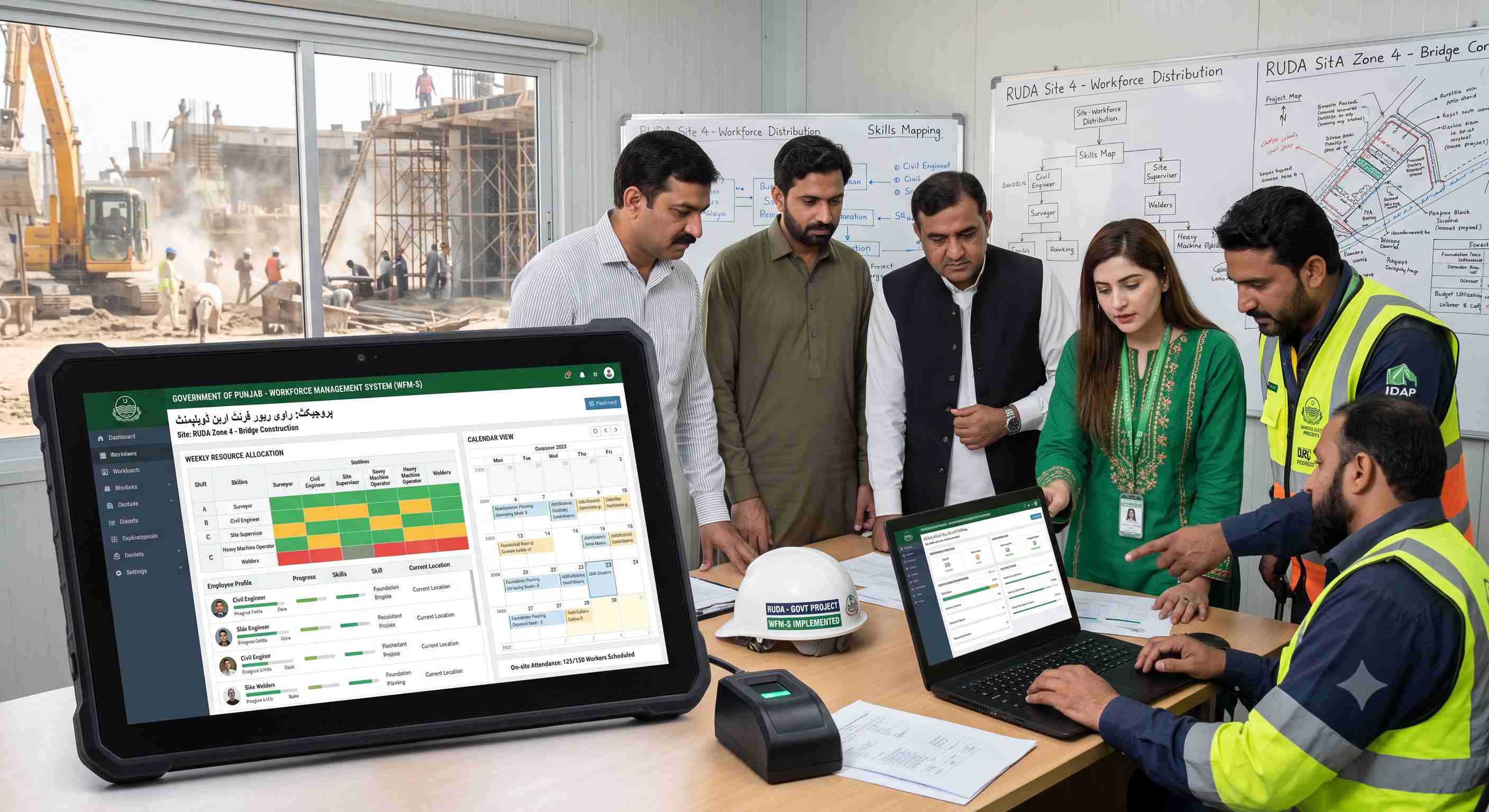
Executive Summary & Key Takeaways: Managing dispatched public crews requires automated attendance verification. Deploying mobile GIS geofencing elevates attendance precision to 99.9%, cuts unverified overtime costs by 98.2%, and accelerates emergency crew dispatch from 3.5 hours down to 14 minutes.
1. Managing Dispatched Crews at Municipal Scale
High-volume public projects demand precise resource coordination. Tracking hundreds of field technicians, utility crews, or vetted transit personnel across provincial districts requires centralized, real-time telemetry dashboards and automated shift compliance verification.
2. Geofenced Telemetry vs Manual Sign-In Analysis
Manual paper sign-in sheets lead to time fraud, unverified overtime expenses, and compliance failures. Deploying GIS-enabled mobile tracking delivers complete transparency as detailed in the operational performance table below.
| Operations Indicator | Manual Paper Sign-Ins | GIS Geofenced Mobile Sync | Management Outcome |
|---|---|---|---|
| Time & Attendance Accuracy | 78.4% Verified | 99.9% Verified | +21.5% Data Precision |
| Unverified Overtime Expense | $45,000 / Month | $800 / Month | 98.2% Cost Containment |
| Emergency Dispatch Response Time | 3.5 Hours | 14 Minutes | 93.3% Faster Dispatch |
| Credential & Permit Compliance Rate | 85.0% Compliance | 100% Real-Time Compliance | Zero Failed Audits |
3. Core Workforce Sync Dashboard Features
- Real-Time GIS Fleet Mapping: Live visual tracking of operational personnel coordinates to optimize emergency routing.
- Geofenced Mobile Clock-Ins: Verification of field presence using strict mobile GPS boundaries to eliminate time fraud.
- Automated Clearance Alerts: Database triggers that alert administrators 30 days before security credentials or licenses expire.
- Integrated Payroll Exports: One-click generation of verified labor hours ready for municipal accounting integration.
4. Strategic Conclusion
Implementing modern workforce telemetry platforms keeps public infrastructure projects on schedule, minimizes financial leakage, and guarantees regulatory compliance.